Propolis in K-Beauty: What Bee Propolis Actually Does for Skin
Two of K-beauty’s most popular “glow” serums are built around bee propolis. Here’s what that ingredient can actually back up.
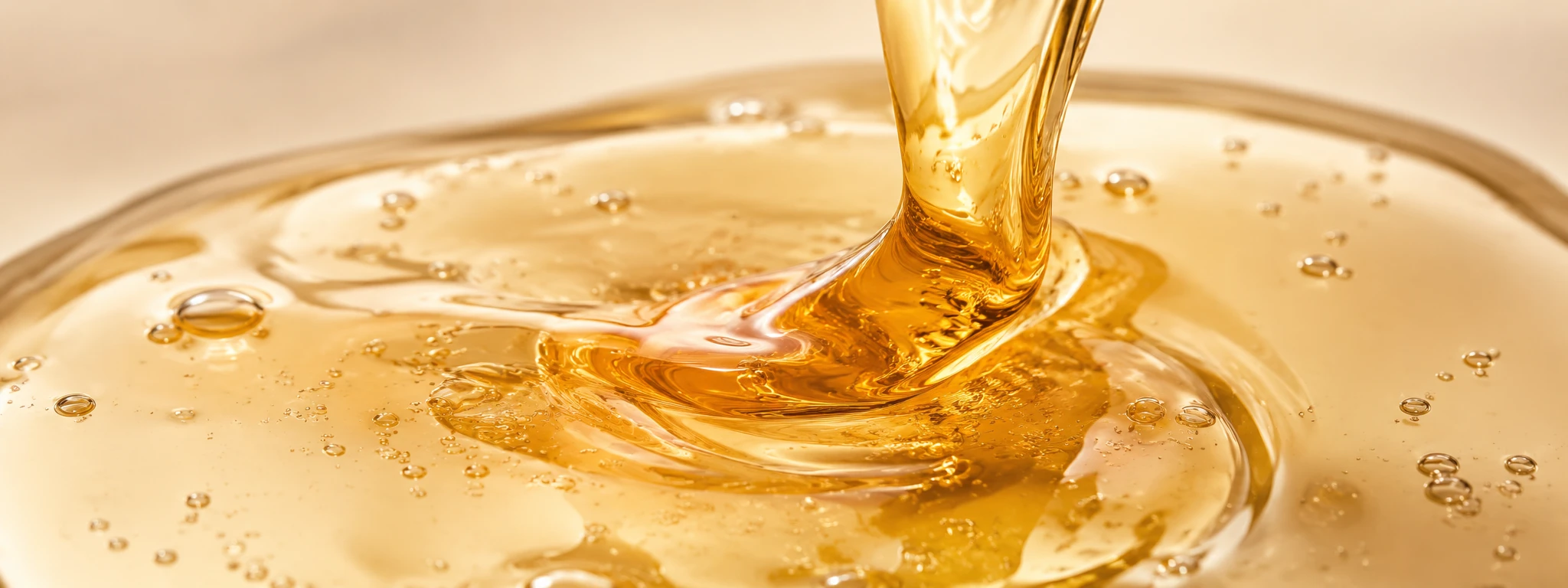
Two of K-beauty’s best-known “glow” serums are built around the same bee-derived ingredient, at meaningfully different concentrations. Here’s what propolis can actually back up, and where the “glow” claim gets a little slippery.
Propolis is a resin-like substance bees produce to seal and protect their hives — rich in flavonoids and polyphenols, with documented antioxidant and antimicrobial properties. COSRX’s Full Fit Propolis Light Ampoule and Beauty of Joseon’s Glow Serum both build their identity around it, but at different concentrations and with different supporting ingredients. The antioxidant/soothing evidence is reasonable. “Glow” itself is partly that, and partly a texture-and-finish effect from the rest of the formula — the two get marketed as one thing, but they’re not.
Good fit if you want an antioxidant-rich, soothing ingredient and like a dewy finish. A hard no if you have a bee-product allergy.
What propolis actually is
Propolis is a natural resin bees create from tree sap and their own secretions, historically used topically and in traditional medicine for its antimicrobial and wound-healing associations. Its active compounds — largely flavonoids and phenolic acids — have documented antioxidant and antimicrobial activity at the ingredient-research level.
K-beauty’s two most visible propolis serums use it very differently:
- COSRX Full Fit Propolis Light Ampoule lists Propolis Extract as its top ingredient at a disclosed 83% (83.25%) concentration on the official COSRX product page (checked Aug 2026) — an unusually high, near-single-active formula.
- Beauty of Joseon Glow Serum: Propolis + Niacinamide uses a lower, still-substantial propolis concentration (commonly reported around 60%) alongside a disclosed niacinamide component and additional ingredients like turmeric root extract and tea tree extract, making it a more multi-tasking formula rather than a propolis-only product.
What the evidence actually supports
- Ingredient evidence: Propolis extract’s flavonoid and polyphenol content has documented antioxidant and antimicrobial activity at the ingredient-research level, plus a long history of traditional topical use.
- Formula inference: A product with propolis disclosed at a high percentage, and few competing ingredients, is reasonably positioned as a genuine propolis-forward antioxidant/soothing product.
- What it doesn’t prove: Ingredient evidence doesn’t confirm that any specific serum will deliver a visible “glow,” treat acne, or outperform another antioxidant ingredient for you specifically. “Glow” as marketed is partly a real antioxidant/hydration effect and partly a texture-and-finish effect from the rest of the formula (humectants, film-formers) — the two aren’t the same thing, and products blend both.
Propolis is not a proven acne treatment despite frequent “acne-fighting” framing in reviews — any antimicrobial contribution is a supporting property, not a substitute for an active acne ingredient.
A note on allergy risk
Because propolis is a bee product, it carries a real (if uncommon) allergy risk for people sensitive to bee products or pollen. This is one of the few ingredient categories on K-Beauty Verdict where we recommend checking with a doctor first if you have a known bee/pollen allergy, rather than defaulting to a patch-test-only recommendation.
Who propolis fits
Dry-to-normal skin that tolerates richer, humectant-heavy textures tends to like propolis-forward serums most, and it fits naturally into a hanbang-adjacent (traditional Korean herbal) routine alongside centella or heartleaf.
Anyone with a known bee or pollen allergy should skip it outright, and if you’re after a targeted treatment — exfoliation, retinoid-level renewal — propolis isn’t built for that job; it’s a general-condition antioxidant step, not a treatment active.
FAQ
Is propolis good for acne?
Its antimicrobial and antioxidant properties are a reasonable supporting fit for acne-adjacent skin, but it isn’t a proven acne treatment on its own.
Is propolis vegan?
No — propolis is a bee-derived ingredient, so propolis-forward products are generally not vegan even when other ingredients in the formula are.
COSRX or Beauty of Joseon propolis — which has “more” propolis?
COSRX’s Full Fit Propolis Light Ampoule discloses a higher percentage (83%) than Beauty of Joseon’s Glow Serum (commonly reported around 60%), but Beauty of Joseon’s formula adds niacinamide and other actives, making “more propolis” and “better product” two different questions depending on what you want the product to do.
Sources
- COSRX — Full Fit Propolis Light Ampoule, official product page. Checked Aug 2026. Used for confirming disclosed 83% propolis extract concentration.
- Beauty of Joseon — Glow Serum: Propolis + Niacinamide, ingredient list. Cross-checked via retailer/INCI listings. Checked Aug 2026. Propolis percentage reported by secondary sources; exact brand-disclosed figure not independently confirmed on the current official page at time of writing.
- K-Beauty Verdict — Beauty of Joseon Glow Serum vs COSRX Full Fit Propolis: Which Propolis Serum Wins? (our comparison). Related head-to-head.
Editorial method: objective facts (ingredient names, disclosed concentrations) come from current official pages where available, cross-checked against INCIDecoder and retailer listings. Where a concentration figure could not be confirmed on an official brand page, that limitation is stated rather than presented as verified fact. No firsthand wear test is claimed. Current prices are omitted because they change.
