Is Korean Snail Mucin Good for Acne? An Honest Guide
Snail mucin is one of K-beauty's most loved ingredients — but is it actually good for acne-prone skin? Here's what it does, what it doesn't, and how to use it.
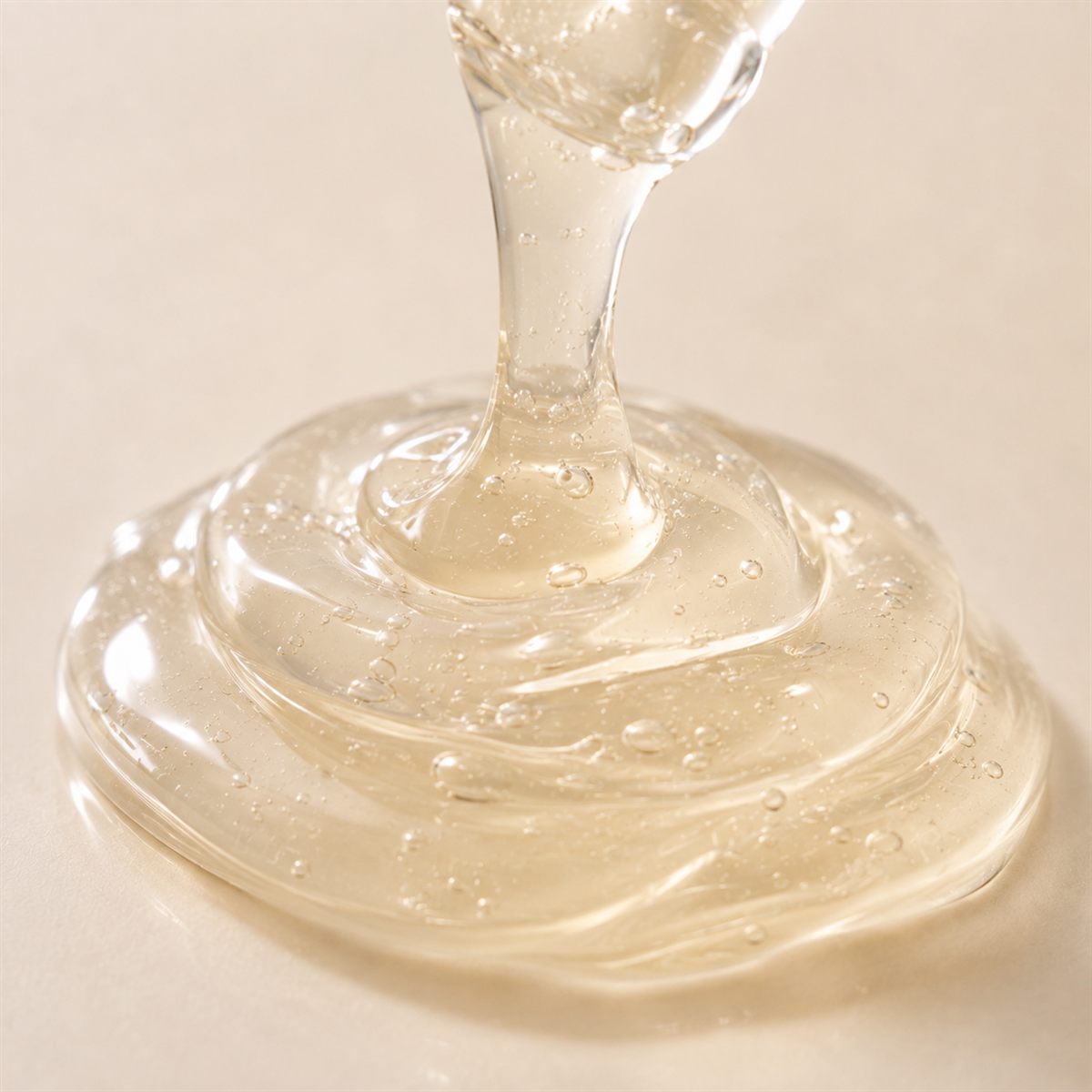
Helpful for acne-prone skin — but as a supporting player, not a cure.
Snail mucin can be genuinely good for acne-prone skin, but it is not an acne treatment. It hydrates, calms irritation, supports barrier repair, and helps post-acne marks fade — all useful when you’re dealing with breakouts. What it doesn’t do is unclog pores or kill acne bacteria, so it won’t stop breakouts by itself. Think of it as the soothing, healing layer alongside a real acne treatment — not a replacement for one.
What snail mucin actually is
Snail mucin (snail secretion filtrate) is the fluid snails naturally produce, filtered and used in skincare. It’s a mix of humectants and repair-supporting compounds — glycoproteins, hyaluronic acid, glycolic acid (in trace amounts), allantoin, and peptides — which is why it hydrates, soothes, and helps skin repair itself.
That combination makes it a favorite for barrier support and a dewy, plump finish. Popular options like COSRX Advanced Snail 96 and Beauty of Joseon Revive Eye Serum built huge followings on exactly this — gentle, hydrating repair.
What it does well for acne-prone skin
Hydration without heaviness. Acne-prone skin still needs moisture — especially if you’re using drying treatments like benzoyl peroxide or retinoids. Snail mucin is a lightweight way to rehydrate without a rich, pore-clogging cream.
Soothing and barrier repair. Allantoin and glycoproteins calm irritation and support the skin barrier — which matters a lot when acne actives leave skin red, flaky, or sensitized. A calmer barrier tolerates treatment better.
Helping post-acne marks heal. This is where snail mucin shines for acne-prone skin: it supports the skin’s recovery process, which can help those lingering red or dark marks (post-inflammatory marks) fade faster over time.
Snail mucin is not an exfoliant, it’s not antibacterial, and it will not unclog pores or dissolve blackheads. The trace glycolic acid in it is far too little to exfoliate meaningfully. So if active breakouts are your main problem, snail mucin alone won’t fix them — you need a real acne treatment (like salicylic acid / BHA, adapalene, or benzoyl peroxide) doing that job, with snail mucin supporting hydration and healing around it.
Will it clog pores or cause breakouts?
For most people, snail mucin is low-risk and non-comedogenic — it’s watery and lightweight, not oily. But skincare is individual: a small number of people find that richer snail formulas don’t agree with very oily or congested skin. As always, patch test a new product for a few days, and introduce it on its own so you can tell how your skin responds.
How to use snail mucin in an acne-prone routine
Slot it in as a hydrating, soothing step — after your water-based treatment and before your moisturizer. A simple acne-prone routine looks like: gentle cleanse → (treatment, e.g. BHA or a retinoid a few nights a week) → snail mucin → lightweight moisturizer → sunscreen in the morning.
Snail mucin pairs especially well with drying actives precisely because it counteracts the dryness and irritation they cause — letting you stick with your acne treatment more comfortably. Just don’t expect it to do the treating.
The two best-known Korean snail options are COSRX Advanced Snail 96 (a high-percentage, budget essence) and Beauty of Joseon Revive. We break down which suits which skin in our full comparison: COSRX Snail 96 vs Beauty of Joseon Revive →.
Is snail mucin right for you?
FAQ
Does snail mucin treat acne?
Not directly. It doesn’t unclog pores or kill acne bacteria, so it won’t stop breakouts on its own. It supports acne-prone skin by hydrating, soothing, and helping post-acne marks heal — use it alongside a real acne treatment, not instead of one.
Does snail mucin clog pores?
For most people, no — it’s lightweight and generally considered non-comedogenic. A minority with very oily or congested skin may find richer formulas don’t suit them, so patch test and introduce it on its own.
Will it fade acne scars?
It can help fade post-acne marks (the flat red or dark spots left after a breakout) by supporting healing. True indented or raised scars are a different problem that topical snail mucin won’t resolve — those need professional treatment.
Can I use it with BHA, benzoyl peroxide, or retinoids?
Yes — and it’s a good pairing. Apply your treatment first, then snail mucin as a hydrating, soothing layer to offset dryness and irritation. It helps you tolerate actives more comfortably.
How long until I see results?
Hydration and a calmer, plumper feel are often noticeable quickly. Fading of post-acne marks is gradual — give it several weeks of consistent use, always paired with daily sunscreen (UV darkens marks and undoes progress).
Is there a vegan alternative?
Yes — for similar hydration and soothing without animal-derived ingredients, look for hyaluronic acid, panthenol, beta-glucan, or centella-based serums.
Bottom line
Is Korean snail mucin good for acne? Yes — as a supporting ingredient. It hydrates, soothes irritation, supports the barrier, and helps post-acne marks fade, which makes it a genuinely useful part of an acne-prone routine, especially alongside drying treatments.
But it won’t clear breakouts on its own — it isn’t an exfoliant or an acne treatment. Use it as the calming, healing layer next to a real acne active and daily sunscreen, and it earns its place. Expect support, not a cure.
Sources & verification
- COSRX — Advanced Snail 96 Mucin Power Essence, official product page. Checked Aug 23, 2026. Used for snail secretion filtrate content and hydration/repair positioning.
- INCIDecoder — COSRX Advanced Snail 96 ingredient list. Checked Aug 23, 2026. Used to confirm snail mucin’s humectant and repair-supporting components.
- Beauty of Joseon — official site. Checked Aug 23, 2026. Referenced for the Revive snail line as a popular snail-mucin option.
- K-Beauty Verdict — COSRX Snail 96 vs Beauty of Joseon Revive (our comparison). Our head-to-head on the two best-known Korean snail serums.
